
Malolos came from the word paluslos meaning downwards. Just a few hours away from Manila, it proved to be not just another quick escape from the metro. With its warm people and well-preserved culture, Malolos is the underrated heritage site that should be in your travel radar if you want a glimpse of the nation’s past.
About Malolos
With its critical stint in Philippine history, Malolos started as a small settlement from cleared lands by the Spanish missionaries. It was their misunderstanding with the natives due to language barrier that led to the place being called Malolos derived from paluslos. As the missionaries asked for the riverside town’s name, the natives answered “the flow of the river was downstream” or paluslos.

Malolos served as the capital of the first, short-lived Philippine Republic led by Emilio Aguinaldo. It is an important historical site for the construction of Malolos Convention that gave birth to the first constitutional republic in Asia. At present, Malolos sits as Bulacan’s capital city.

Malolos Heritage Town
Living in the nearby city of Meycauayan, Bulacan for more than a decade now, I thought Malolos would just feel like the same as our place. Through the years, I saw how our humble town grew with commercial establishments as if trying to resemble the busy Manila scene. This is why as I stepped on Malolos grounds from our Lakbay Norte bus, I sensed a sincere ambiance that mirrors a rich history and culture.
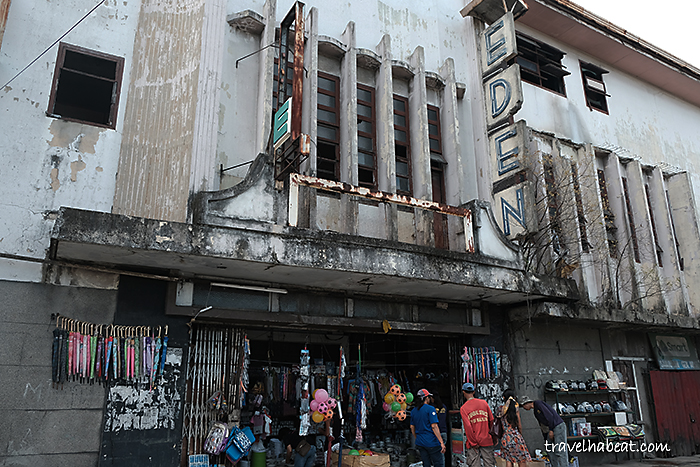
Numerous ancestral houses, churches, and landmarks constitute Malolos. Many were eminently preserved. Some were beautifully abandoned. Walking from one heritage site to another, I can very much feel the soul of the old establishments. No wonder the town center of Malolos was declared National Heritage Landmark.
What to See in Malolos Heritage Tour
With a half-day tour, you can quickly roam the historic streets of Malolos town. Heritage sites were marked and labeled with sufficient description. From churches to ancient houses, here’s a list of what you can see.
1. Barasoain Church
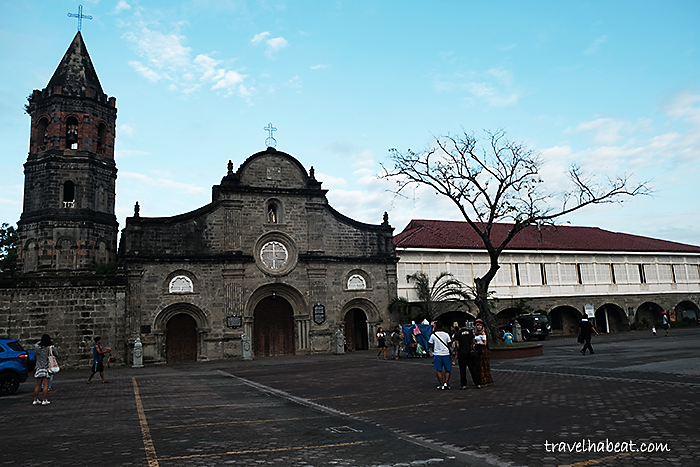
What a better way to start your Malolos heritage tour than to visit Barasoain Church. With a beautiful Baroque style architecture, Barasoain Church embodies historical significance not only for Malolos, but for the entire nation as well being the inauguration site of the First Philippine Republic.
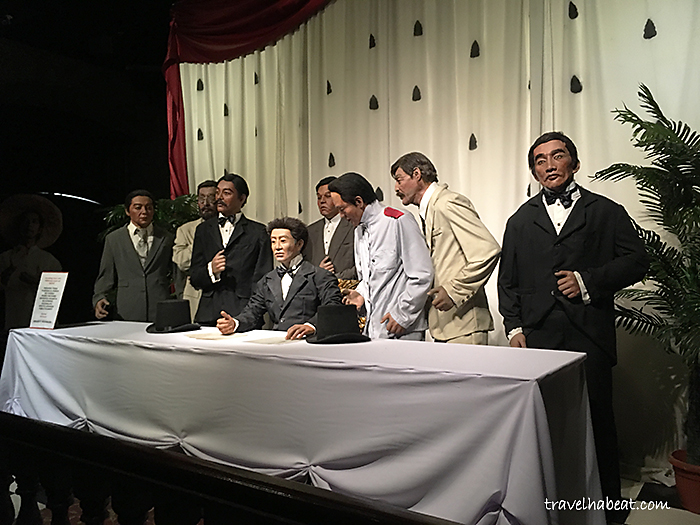
Don’t forget to visit the church museum where you can experience a short light and sound presentation narrating the highlights of the Malolos republic.
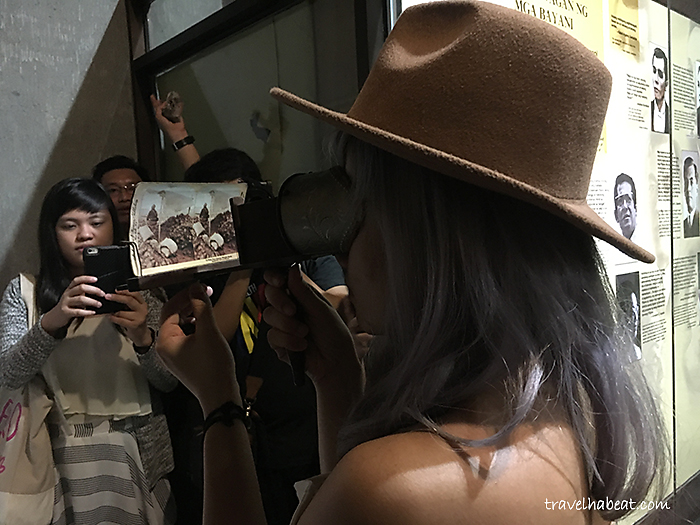
There‘s also a stereoscopy room where you can try a vintage stereoscope to see old photographs in a three-dimensional perspective.
Museum Schedule: Tue-Sun 8AM-4PM | Closed on Monday
2. Malolos Cathedral (Minor Basilica of Our Lady of Immaculate Conception)
The neoclassical Malolos Cathedral served as the presidential palace of Emilio Aguinaldo, president of the First Philippine Republic. Today, it is the ecclesiastical seat of the Diocese of Malolos.
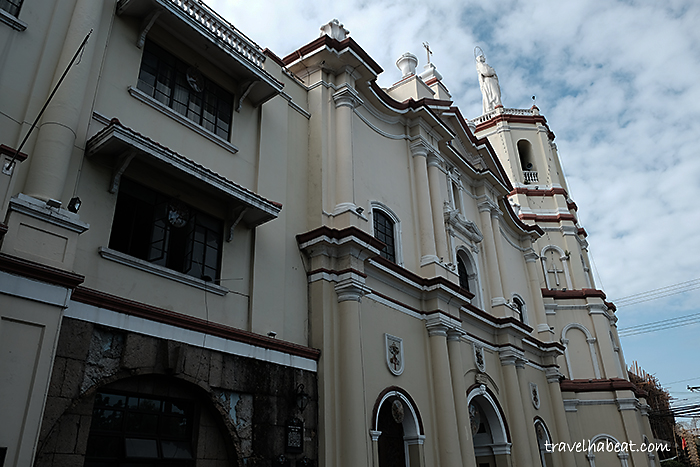
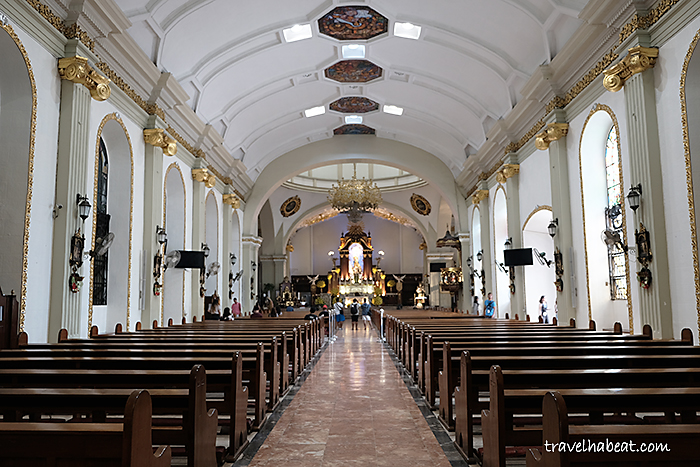
Notice the large statue of the Immaculate Conception at the top of the bell tower. Also in front of the Malolos Cathedral is the century-old Kalayaan tree (Tree of Freedom) where Emilio Aguinaldo conducted several affairs.

3. Gobierno Militar De La Plaza
Located at Pariancillo Street, Gobierno Militar De La Plaza was the site of the military government established by General Isidoro Torres. Beautifully restored, it is presently utilized as Meralco office.
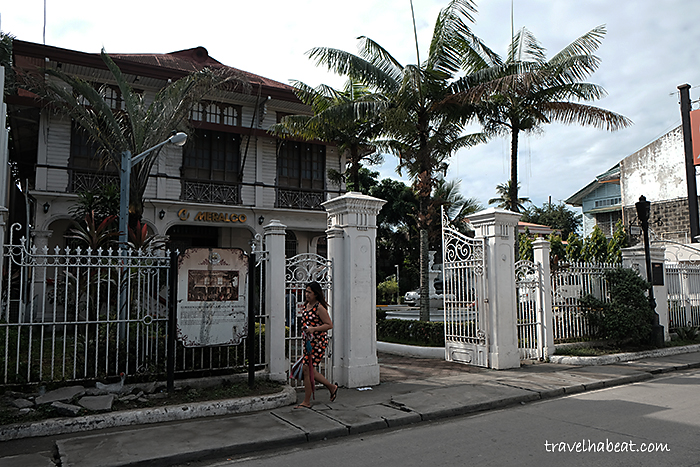
4. Casa Tribunal
Formerly used as the Second Municipal Hall of Malolos, Casa Tribunal was converted into a jailhouse during the First Philippine Republic.

5. Bahay Paaralan ng mga Kababaihan ng Malolos (Instituto Mujeres)
This site served as the study location for the women who raised a petition to Governor General Valeriano Weyler asking permission to study the Spanish language. Rufina Reyes, one of the said women, used to live in this house. All of them studied during the night after they had fulfilled their household responsibilities. Dr. Jose Rizal even wrote to them a letter from Spain giving them encouragement.
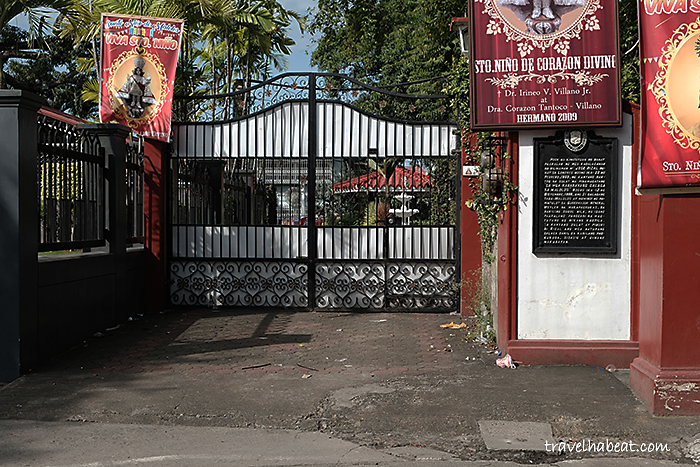
6. Uitangcoy House
Owned by Alberta Uitangcoy, this house is also called the “Museum of the Women of Malolos”. Alberta Uitangcoy led the group of young women send their petition to study the Spanish language.
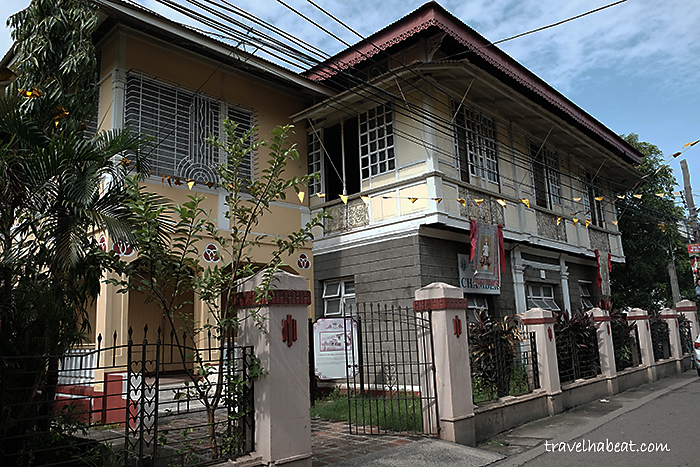
Fortunate enough to enter the house, we saw well-maintained old furniture and pharmacy related items. It also showcases memorabilia of the Malolos women who fought for their educational rights.
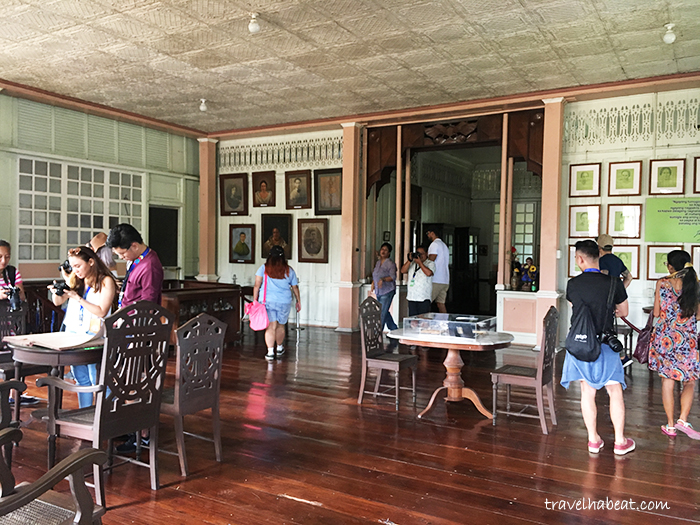
7. Dr. Luis Santos House
Just when you thought that this is just another ancestral house, the abode of the ophthalmologist Dr. Luis Santos is much more than that. The mural at the ceiling of the house was created by no less than Fernando Amorsolo. A fountain also found in the vicinity was built by Guillermo Tolentino.
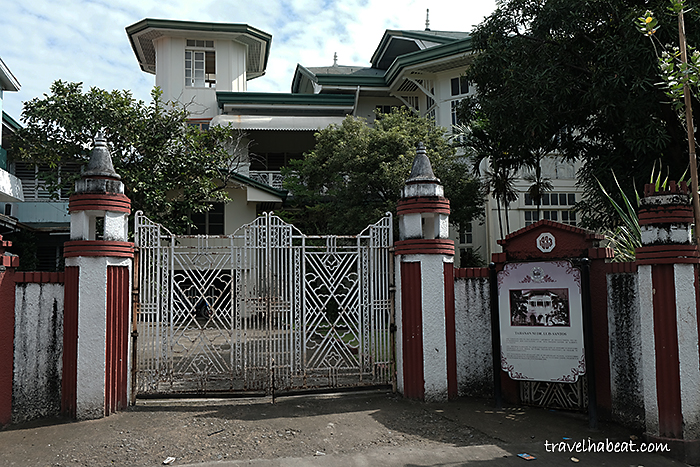
Dr. Luis Santos is a child of Alberta Uitangcoy and Paulino Santos, the owners of the Uitangcoy-Santos heritage home. He is a famous doctor in the town who opened the house to cure everyone from civilians to soldiers.
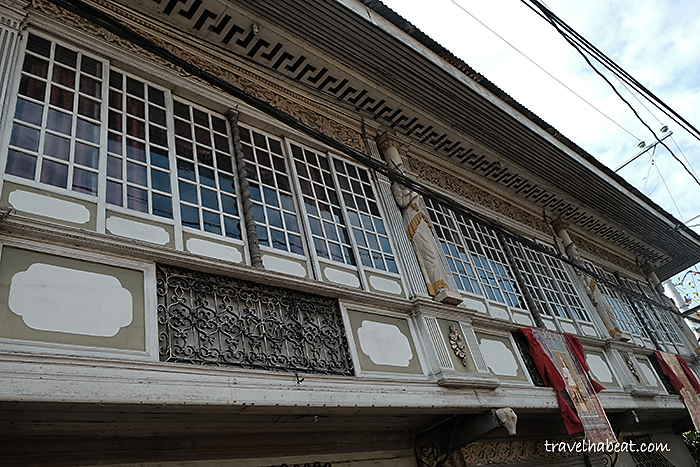
8. Don Jose Bautista House
During the Malolos Republic, Don Jose Bautista House served as the Ministry of Interior Affairs. The residence had welcomed visitors including Dr. Jose Rizal. It was also used as municipal hall, school, and Japanese army camp. Today, the Neoclassical-style house was turned into a museum exhibiting collection of religious statues and art works from Fernando Amorsolo, Felix Hildalgo, and Juan Luna.
Disclosure: This Lakbay Norte trip was organized by North Philippines Bureau (NPVB) in partnership with NLEX Corporation, Bulacan Tourism and Convention Visitors Board (BTCB), Tarlac Convention and Visitors Bureau (TCVB), Ilocos Norte Convention and Visitors Bureau (INCVB), Victory Liner Inc., Department of Tourism Region 1, Department of Tourism Region 3, Jollibee Foods Corporation, and Merrell Philippines. Lakbay Norte is an annual media familiarization trip aiming to promote Philippine provinces in the north.

We would like to see the Bautista house museum. I cannot find any contact information or the operating hours. Do we need to make a reservation to go inside?