Getting a glimpse of the demilitarized zone (DMZ) in the Korean peninsula is one of the most interesting things you can do when you visit South Korea, especially if it’s your first time going to the country.
What is DMZ Korea?
A demilitarized zone is an area, usually lying in the boundaries between nations or military powers, where military activities are forbidden as agreed in treaties of the involved parties.
The division of Korea started after the World War II when it was cut along the 38th parallel of latitude. The Americans took over south of the line while the Russians occupied the north.
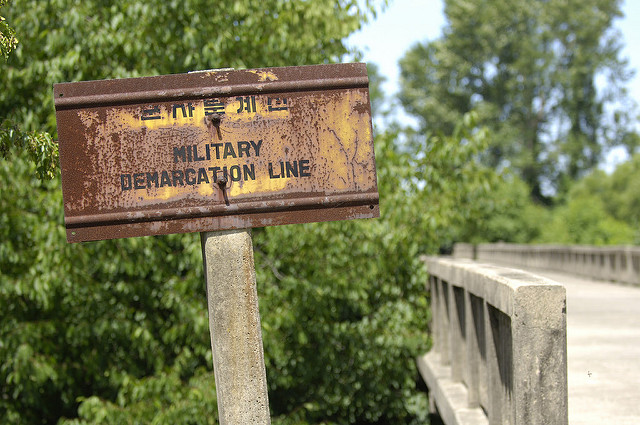
So much had happened since then but unfortunately up to this day, North Korea and South Korea remained to be separated. The partition line runs from Imjingang River in the east, to the town of Goseong in the west. On either side of the line is a 2km-wide stretch of land that served as the DMZ.
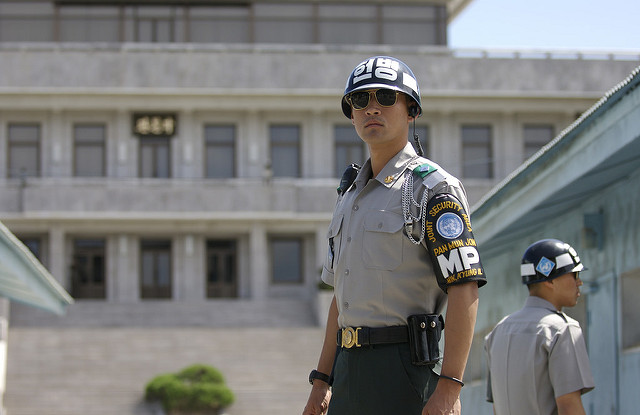
A visit to DMZ has becoming a popular tour recently especially for the history aficionados. Personally, when I heard about the DMZ, I felt curious, excited, and at the same time a bit nervous to be able to actually stand at one of the tensest borders in the world.
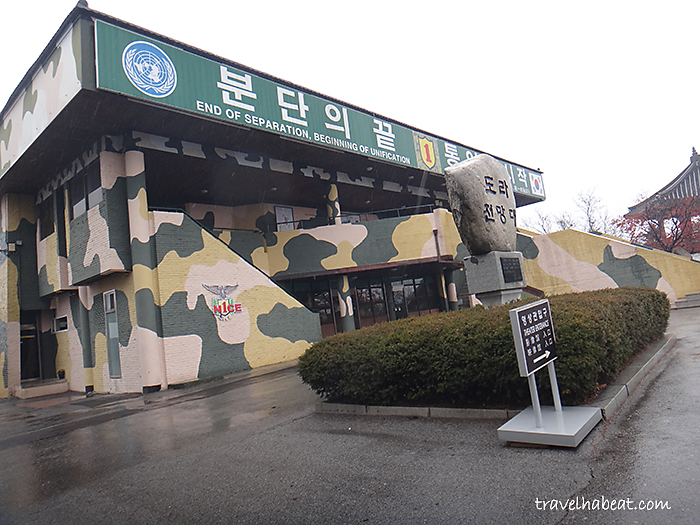
DMZ Tour Packages
There are different tour packages available, you can go half or full day DMZ tour. I really wanted to do the whole day tour to see JSA (Join Security Area) located in Panmunjom. But since we had limited time, we only went for the half day tour.

With the help of our guest house receptionist, we were able to book DMZ just a day before the tour.
Half Day DMZ Tour
The half day DMZ tour that we availed included visit to the following:
- Imjingak Park
- Freedom Bridge
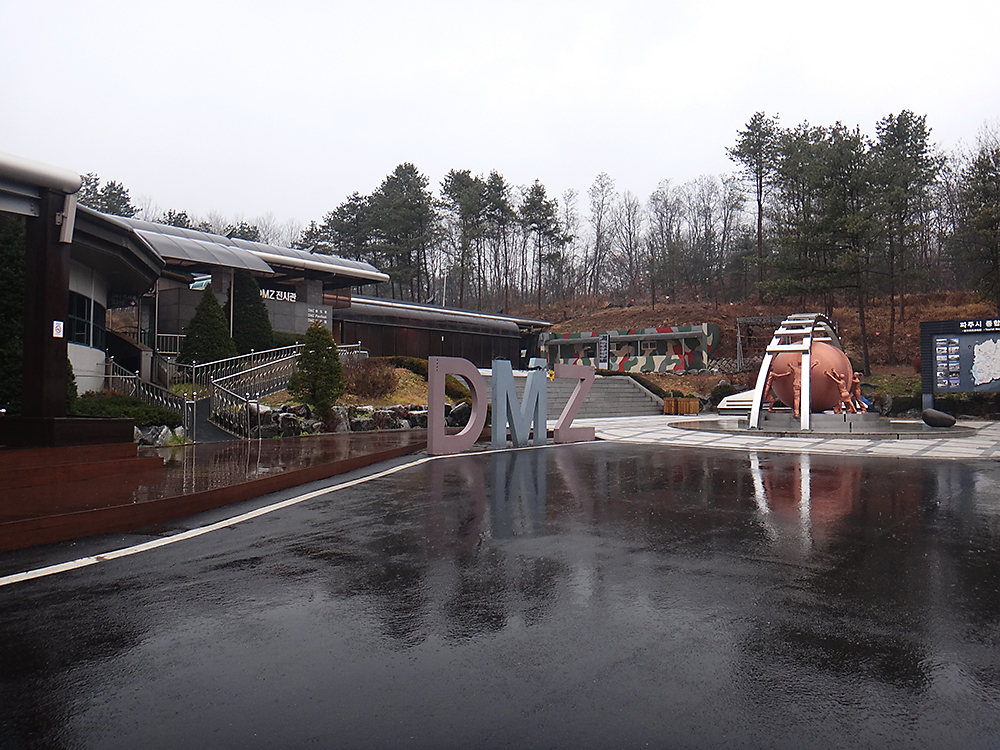
- DMZ Theater/Exhibition Hall
- The 3rd Infiltration Tunnel
- Dora Observatory
- Dorasan Station
- Pass by Unification Village
- Ginseng Center

Imjingak Park
There’s a lot to see in the Imjingak Park itself but we were not able to fully roam around since it was raining during our visit. Imjingak served as consolation to separated families who were not able to return to their homes because of the division of Korea. You can find here war remnants like preserved locomotives. Other notable landmarks include the Mangbaedan Altar, Freedom Bridge, and the Peace Bell.
Freedom Bridge
We only saw the Freedom Bridge (sometimes called the Bridge of No Return) from afar but you can actually walk into the bridge. This is where South Koreans cross to return to their mother country after being held in captivity in North Korea. You can only go as much though because a barbed fence will confront you soon (you will not be able to set foot on North Korea).
Peace Bell
The Peace Bell is made of bronze and tin in the traditional Korean style. It symbolizes the hopes and prayers of the Koreans for reunification and peace.

DMZ Theater/Exhibition Hall
In the DMZ Theater, we were able to briefly watch some historical clips about North and South Korea.
The 3rd Infiltration Tunnel
Going through the 3rd Infiltration Tunnel is one of the most interesting parts of our tour. It was said that North Korea dug underground tunnels to infiltrate the South even amidst peace talks. The 3rd tunnel is the closest to Seoul.
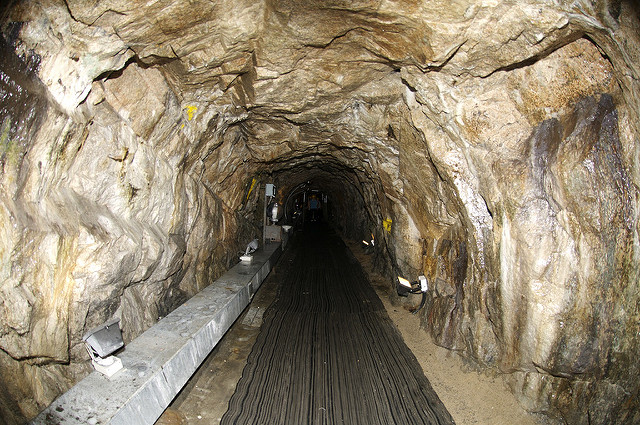
They were very strict to all guests going through the tunnel. We left all our belongings in a locker provided. Taking photos was also strictly prohibited. The tunnel is long and steep so if you’re not physically fit, it will be quite a challenge to finish traversing it. We were required to wear a hard hat for safety purposes. Make sure that you are also not claustrophobic.
Dora Observatory
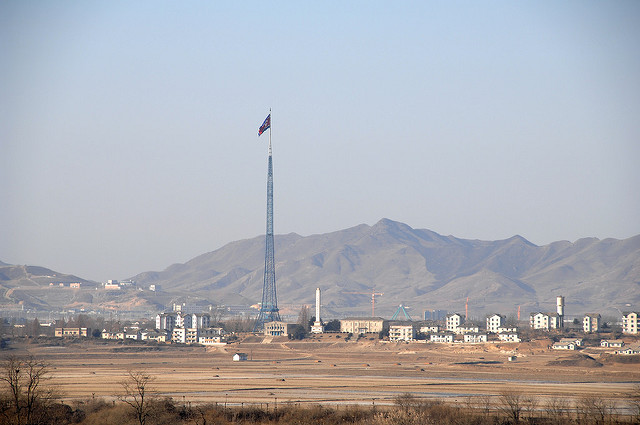
In the Dora Observatory, binoculars are available where you can see North Korea’s fake town, Kijong-dong. It was built to lure South Koreans to move across the border.
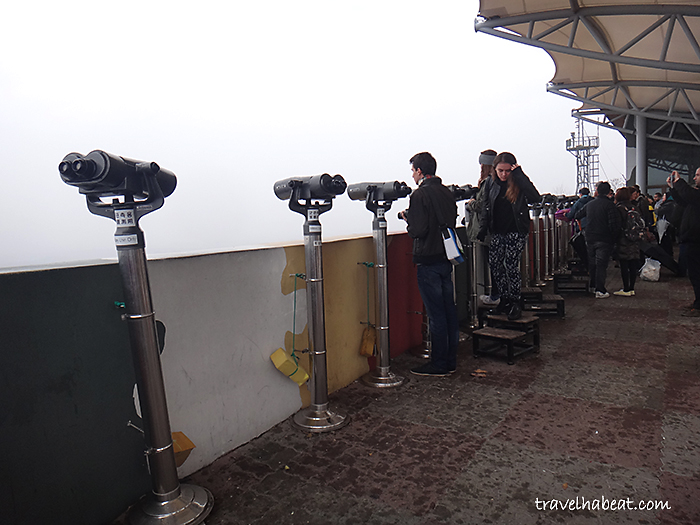
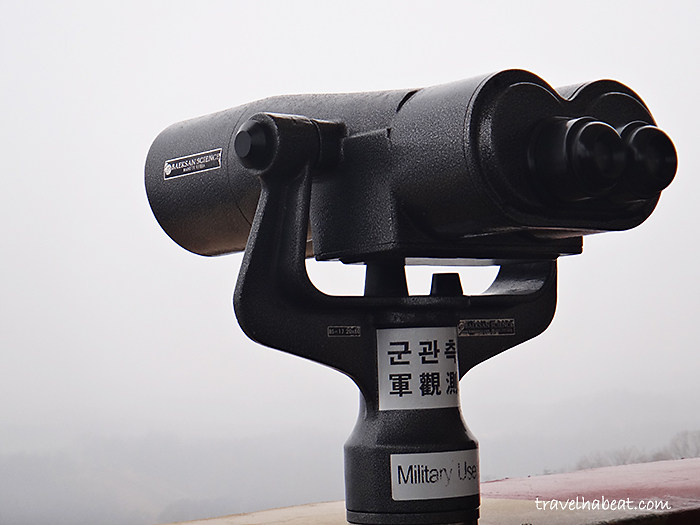
Since it was raining during our visit, we can hardly see anything through the binoculars.
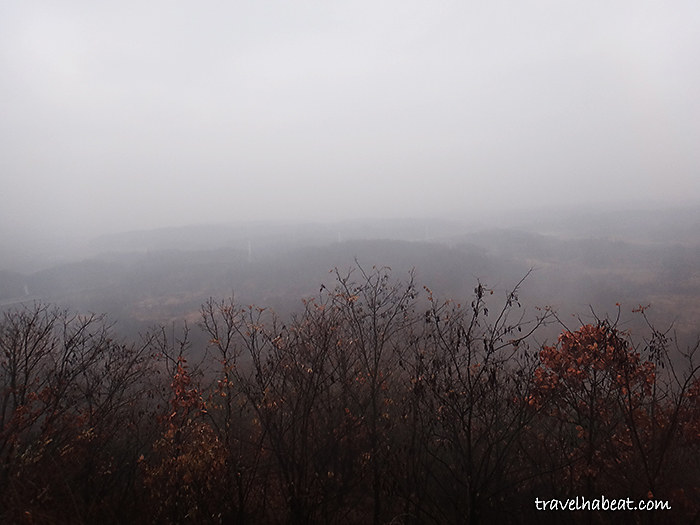
But on a clear day, you can see an uninhabited land with incomplete and abandoned buildings.
Dorasan Station
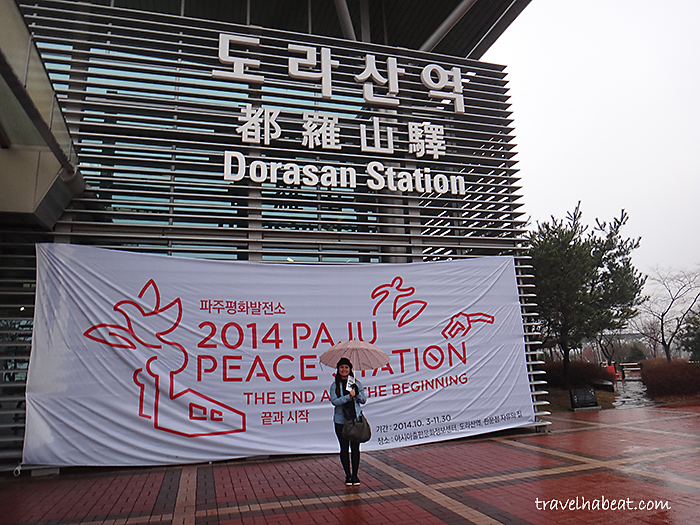
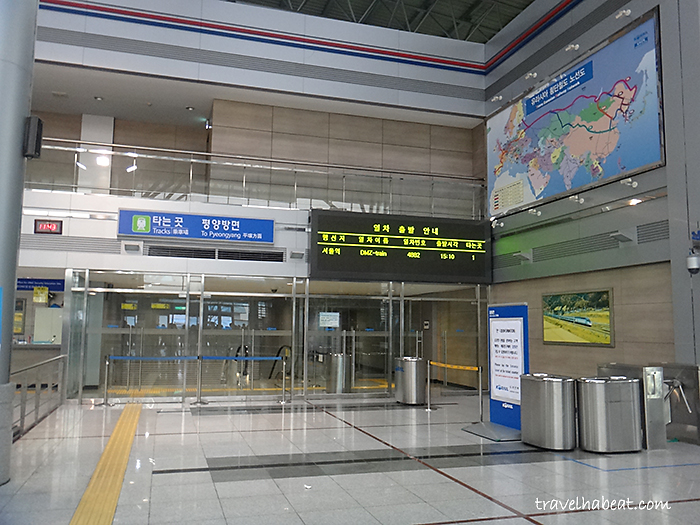
Dorasan Station is a station on the Gyeongui Line and the northernmost stop on South Korea’s railway line. It was constructed to connect North and South Korea. Interestingly enough, it has a stop at Pyeongyang, the North Korean capital. You can actually reach Dorasan Station by getting on the Gyeongui Line from Seoul Station.